
bullet resistant glass manufacturers
The Benefits of Timber Fixed Brackets in Modern Construction In the realm of construction and architecture, the choice of materials is paramount. One innovation that has gained popularity in recent years is the timber fixed bracket. This versatile component offers numerous advantages that contribute to both the aesthetics and structural integrity of buildings. As we explore the benefits of timber fixed brackets, it becomes evident why they are becoming a preferred choice for builders and designers alike. 1. Aesthetic Appeal Timber is known for its natural beauty, warmth, and texture, which can significantly enhance the visual appeal of a structure. Timber fixed brackets provide an opportunity to incorporate these attributes into the design. They can be crafted to match the specific style of a building, whether it's rustic, modern, or traditional. The rich grains and tones of wood, when used in brackets, can create a striking contrast against other materials such as steel or glass. This aesthetic versatility allows architects to push creative boundaries, resulting in innovative designs that stand out. 2. Sustainability In an age where environmental consciousness is on the rise, timber stands out as a sustainable building material. Sourced from renewable resources, timber has a lower carbon footprint compared to alternative materials like steel and concrete. Timber fixed brackets contribute to eco-friendly construction practices by utilizing wood that is responsibly harvested. When designed with sustainability in mind, they can help projects achieve green building certifications, further enhancing their appeal in the modern market. 3. Strength and Durability One might wonder about the structural integrity of timber fixed brackets compared to traditional alternatives . However, when properly treated and installed, timber brackets can offer remarkable strength and durability. Treated wood is resistant to rot, pests, and weathering, making it ideal for both indoor and outdoor applications. Furthermore, the design flexibility of timber brackets allows for reinforcement in high-stress areas, ensuring they can endure heavy loads and adverse conditions without compromising safety. timber fixed bracket 4. Ease of Installation Timber fixed brackets are relatively easy to install, which can lead to significant time and cost savings during construction. The lightweight nature of wood allows workers to handle and manipulate the brackets with ease, reducing labor intensity. Additionally, the use of timber brackets does not typically require specialized tools or skills for installation, making them accessible for a variety of construction projects. This simplicity can streamline building processes, allowing for faster project completion. 5. Versatile Applications The versatility of timber fixed brackets is another reason they are becoming increasingly favored. They can be employed in a wide range of applications, from supporting beams and roofs to enhancing the aesthetic appeal of furniture and fixtures. Whether it is in residential homes, commercial buildings, or even recreational structures, timber fixed brackets can be customized to meet the specific needs of each project. This adaptability ensures that builders and architects can utilize them effectively in countless scenarios. 6. Cost-Effectiveness While the initial cost of high-quality timber may be higher than some alternatives, the long-term benefits can outweigh these upfront costs. The durability and low maintenance requirements of timber fixed brackets mean that they can provide value over time. Homeowners and builders can save on repair or replacement costs, making timber brackets a budget-friendly choice in the long run. Conclusion Timber fixed brackets represent a blend of beauty, functionality, and sustainability that is well-suited for modern construction. Their aesthetic contributions, coupled with their strength, ease of installation, and versatility, make them an excellent choice for a myriad of building projects. As the industry continues to evolve, the integration of such innovative components will undoubtedly shape the future of architecture, emphasizing the need for sustainable and visually appealing designs. For builders and designers looking to create unique, robust structures, timber fixed brackets offer a compelling solution that should not be overlooked.
about
bullet resistant glass manufacturers
The Plain vs. Block Debate An Exploration of Simplicity and Structure in Design In the realms of design and architecture, the concepts of plain and block often surface in discussions about aesthetics, functionality, and user experience. Each term carries its own connotations and evokes distinct philosophies, shaping the way designers approach their projects. This article delves into the dichotomy between plain design—characterized by simplicity and minimalism—and block design, noted for its structure and multifaceted forms. Understanding Plain Design At its core, plain design champions minimalism. It revolves around the idea that less is more, where simplicity takes precedence over embellishment. This approach focuses on clean lines, neutral colors, and a lack of unnecessary ornamentation. The motivations behind plain design include a desire for clarity and the elimination of distraction. Designers who adopt this style aim to create spaces and objects that allow users to engage fully with the essential function without being overwhelmed by visual noise. One of the most prevalent examples of plain design can be seen in Scandinavian design philosophy. Pioneers such as Alvar Aalto and Arne Jacobsen emphasized the importance of functionality while embracing simplicity. Their work demonstrates how a plain aesthetic can lead to emotional warmth and a connection to natural materials. Furthermore, the rise of minimalism in modern architecture and interior design reflects a broader cultural shift towards mindfulness and intentional living. The Appeal of Block Design On the other end of the spectrum lies block design, which often emphasizes structure and solidity. Block design is characterized by geometric shapes, bold forms, and a stronger presence. This style can create a sense of security and permanence, appealing to those who value robustness in their surroundings. Block design often incorporates materials such as concrete, steel, and glass, aligning with contemporary architectural trends that highlight urban environments and industrial aesthetics. plain v block Block design can be seen in various applications, from urban planning to product design. Skyscrapers like the Willis Tower in Chicago exhibit block characteristics through their towering forms that dominate city skylines, while modular furniture designs use block principles to create versatile, functional pieces. The emphasis on substantiality and versatility reflects a growing need for designs that can adapt to various uses while maintaining their structural integrity. Contrasting Philosophies The core difference between plain and block design lies in their underlying philosophies. Plain design seeks to strip away the superfluous to emphasize clarity and ease of use. It believes that the essence of a space or object should speak for itself, with an emphasis on the materials and craftsmanship. In contrast, block design embraces complexity and structure, often inviting users to engage with a multifaceted experience. Both approaches have their merits, and the choice between them often depends on the context of the project and the intended audience. Hybrid Approaches Rather than viewing plain and block design as mutually exclusive, many contemporary designers adopt hybrid approaches that incorporate elements of both styles. This fusion allows for creativity while also fulfilling functional requirements. For example, a building may feature a plain, minimalist facade but utilize block-like structures inside for spatial division and functionality. Such blends can result in innovative designs that cater to varying user preferences and needs. Conclusion The debate between plain and block design encapsulates a broader conversation about the role of aesthetics in our lives. Whether we lean towards the serenity of minimalism or the strength of structured forms, understanding the implications of our design choices can lead to more thoughtful creations. Ultimately, the dialogue between simple and substantial informs not just the built environment but also how we interact with the world around us, guiding us toward spaces that reflect our values and enhance our experiences. As we navigate this balance, we can appreciate the beauty in both plain and block designs, recognizing that each has its place in the tapestry of human creativity.
-

High quality industrial productsagement

High quality industrial products
View Details -

Meet the diverse needs of customers

Meet the diverse needs of customers
View Details -

Strict quality control

Strict quality control
View Details -

Top raw materials

Top raw materials
View Details -

Trusted supplier

Trusted supplier
View Details
Our application
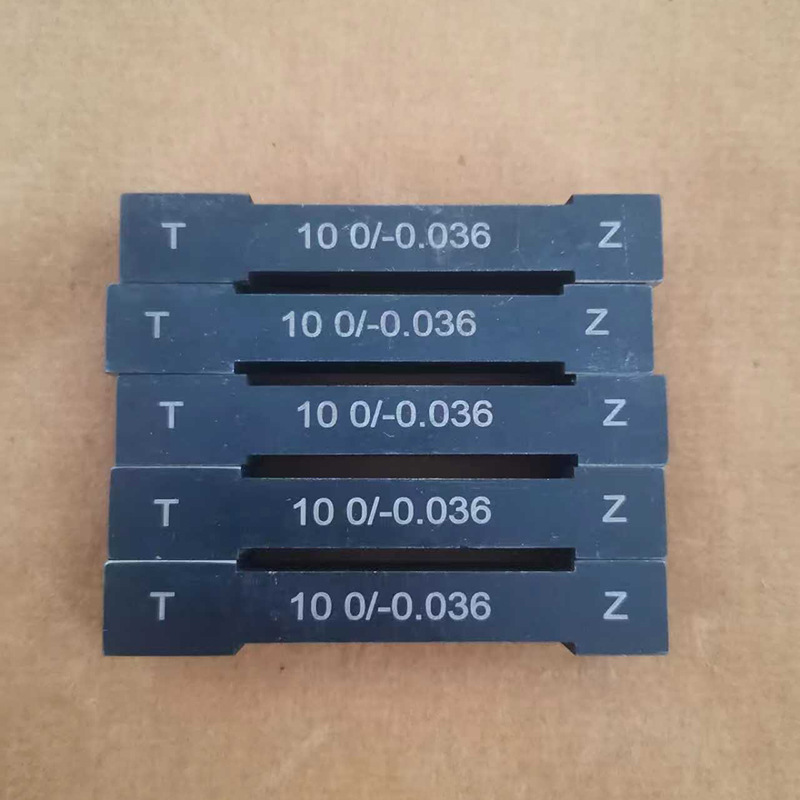
news and information
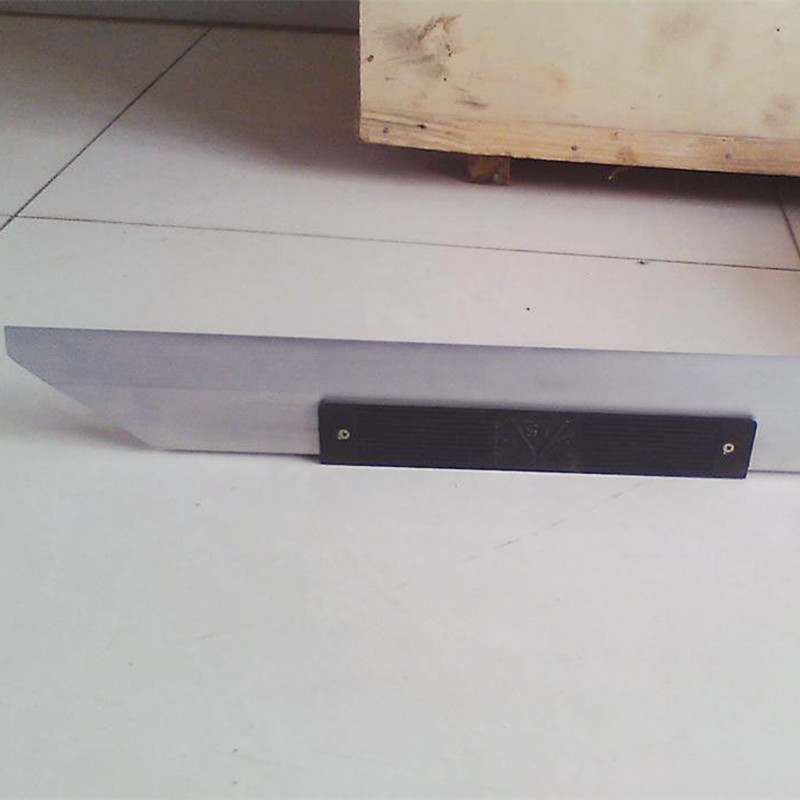
Válvula mariposa de 12 pulgadas con actuador para control de flujo eficiente
Válvula de mariposa de 12 pulgadas con actuador Un componente clave en sistemas de control de flujo
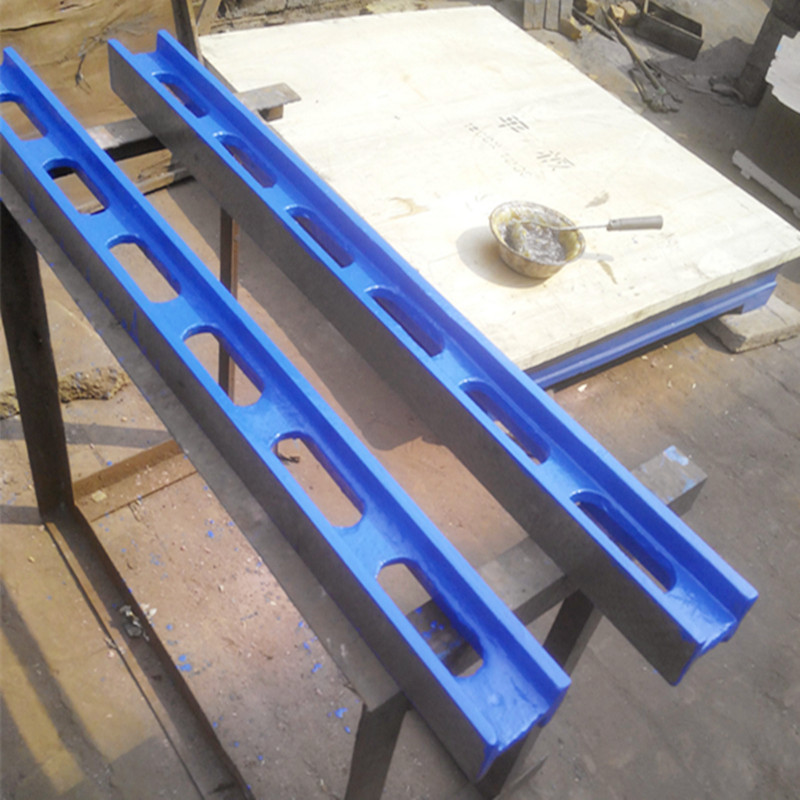
water valve 1 2
Understanding Water Valve 1-2 Functionality and Applications Water valves are essential components i
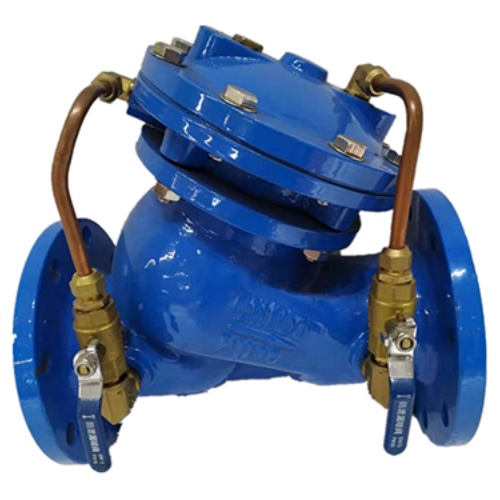
Y turi filtr uchun strainer va suyuqlik tozalash tizimlari
Y Turi Filteri va Suvni Tozalashda Uning O'rni Y turi filtri suvni tozalashda muhim rol o'ynaydi. Bu
 English